
How UK Players Are Turning to Cryptocurrency in 2026: A Guide to Choosing the Top USDT Casinos for Secure, Fast Payouts
How UK Players Are Turning to Cryptocurrency in 2026: A Guide to Choosing the Top USDT Casinos for Secure, Fast Payouts

I've spent a fair bit of time chatting with fellow players and scrolling through forums this past year, and one thing's become pretty obvious: the conversation around UK online gambling has shifted. Hard. It's not just about which slot has the best RTP anymore, or which sportsbook is offering the juiciest odds. It's about payment methods now — specifically, more UK players are ditching their debit cards and e-wallets for cryptocurrency, and USDT (Tether) has quietly become the coin everyone reaches for. Unlike Bitcoin, which can swing wildly within a few hours, USDT is pegged 1:1 to the US dollar. So what you deposit is roughly what you get back out, minus network fees. This piece is my attempt to unpack why this shift is happening, what makes USDT such a solid pick for casino payments, and how you can find a trustworthy platform without getting burned along the way.
Why UK Players Are Turning to Cryptocurrency in 2026
There's no single reason behind this. It's really a mix of things that have been building for a few years now. First up: speed. Traditional banking rails, even the faster payment systems, still involve delays — especially for withdrawals from gambling sites. Crypto, on the other hand, can settle in minutes.
Then there's privacy. A lot of UK banks have started flagging or outright blocking transactions to gambling operators, citing responsible lending concerns or just outdated risk models. And players who manage their spending fine but still get caught in these blanket restrictions? Understandably frustrated. Cryptocurrency sidesteps the whole mess since the transaction never touches a bank's gambling filters.
Finally, there's the demographic shift. Younger UK players who grew up trading crypto or using it for everyday purchases naturally gravitate toward spending it on entertainment too. It feels familiar, fast, and doesn't require jumping through the same hoops as linking a bank card.
The Rise of Stablecoins Like USDT in Online Gambling
Bitcoin gets the headlines, sure. But when it comes to actual gambling deposits, USDT has taken the lead among the UK players I've talked to. The reason's simple: stability. Nobody wants to deposit £200 worth of Bitcoin only to find it's worth £180 by the time they're ready to play — or feel like they missed out on gains by cashing out too early. USDT removes that guesswork entirely. Its value tracks the dollar closely, so your bankroll behaves the way you'd expect it to. It's also incredibly liquid and supported by virtually every major casino platform that takes crypto, which makes it a practical, low-friction choice.
What Makes USDT Ideal for Online Casino Payments
Beyond stability, USDT brings a handful of technical perks that make it genuinely well-suited for gambling transactions. Fees are typically a fraction of what you'd pay through some e-wallets, particularly on the TRC-20 network, which tends to run faster and cheaper than its ERC-20 counterpart. Blockchain transparency helps too — every transaction is verifiable, so there's no ambiguity about whether your deposit went through or where it's sitting in the process.
Most UK players already have accounts with major exchanges like Binance, Kraken, or Coinbase, so grabbing some USDT isn't some big learning curve. You're not adopting some obscure new system here. You're using infrastructure that's already familiar and, frankly, widely trusted.
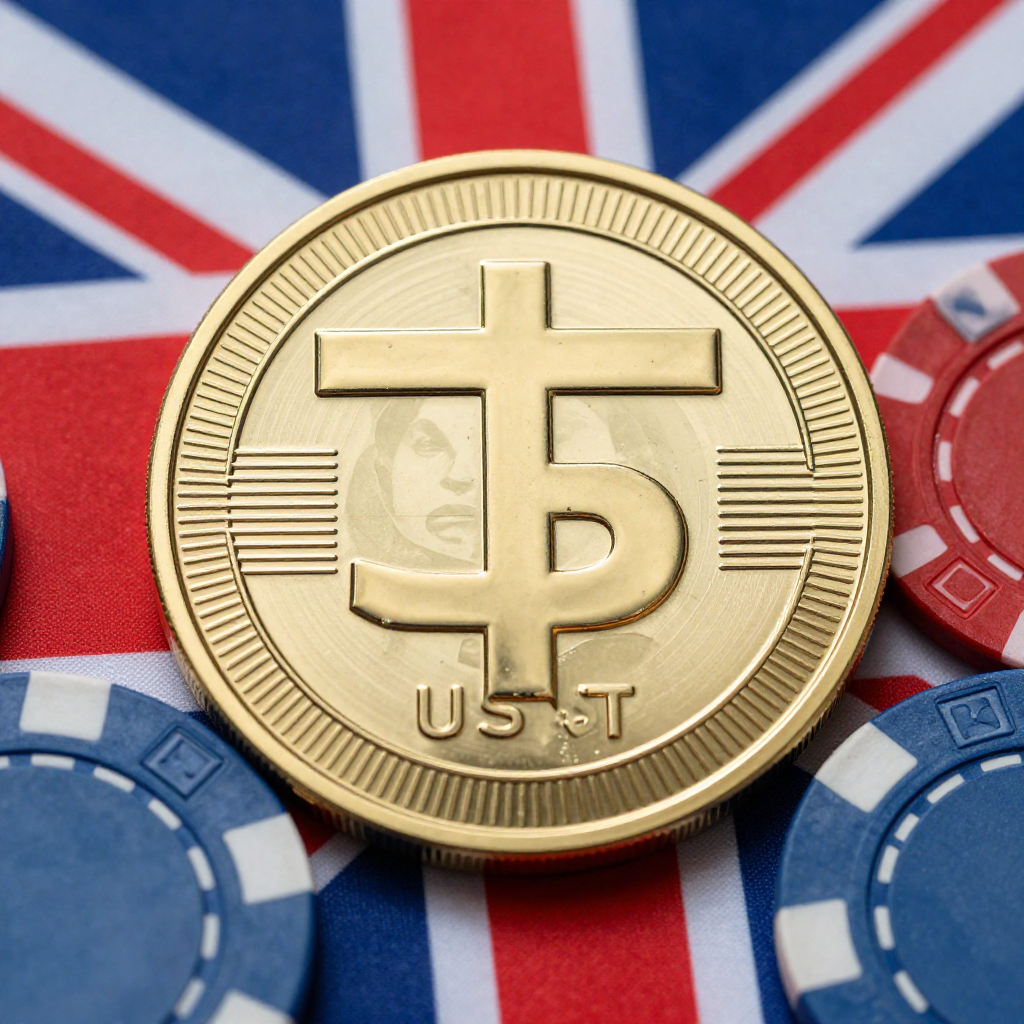
USDT vs Traditional Payment Methods (Bank Transfers, Cards, E-Wallets)
Let's compare directly. A bank transfer withdrawal from a UK casino can take anywhere from one to five business days. Card withdrawals sit in a similar range, sometimes longer depending on the issuing bank. E-wallets like Skrill or Neteller move faster — usually within 24 hours — but they carry their own fee structures and sometimes cap withdrawals lower than you'd like.
USDT withdrawals, on well-run platforms, frequently process within minutes to a couple of hours. Fast. Really fast. Fees stay minimal too — often just the network gas fee, which for TRC-20 transfers can run under a dollar. Withdrawal limits also tend to be more generous with crypto, since casinos aren't tied to the same banking partner restrictions that cap traditional methods.
Key Features to Look for in Top USDT Casinos
Not every crypto casino is built the same, and this is exactly where due diligence matters. Before you drop a single USDT, I'd check a few boxes first. Licensing tops the list — look for operators regulated by reputable offshore jurisdictions like Curaçao or Malta, even if they're not UKGC-licensed directly. (Crypto casinos rarely hold UKGC licenses, mostly due to regulatory complexity — but that doesn't automatically mean they're unsafe if they're properly vetted elsewhere.)
Second, look at their KYC and AML policies. A legit platform will still ask for identity verification at some point, usually before larger withdrawals, even if crypto deposits feel more anonymous upfront. Third: payout speed guarantees matter. Look for casinos that openly advertise fast crypto withdrawal times and have verifiable player reviews backing that claim up. Game variety and responsive support round things out — a platform with a thin game library or dead live chat is a red flag no matter how slick its crypto integration looks.
Given how saturated this market's gotten, I'd genuinely suggest leaning on curated resources instead of just guessing. Sites that specialise in reviewing and ranking top usdt casinos have already done the legwork — checking licensing, payout speeds, player feedback — which saves you the risk of testing an unfamiliar platform with your own money first.
Licensing and Security Standards for Crypto Casinos
Security shouldn't be an afterthought. Beyond licensing, check that the casino runs SSL encryption across its site — basic stuff, but you'd be surprised how many smaller operators skip it anyway. Provably fair gaming systems are another good marker of trustworthiness; these use cryptographic hashing so players can independently check that game outcomes weren't manipulated. If a casino doesn't offer that kind of transparency, especially on crypto-based games, I'd treat that as a warning sign worth taking seriously.
How to Get Started with USDT Gambling Safely
Getting set up is genuinely easier than most people expect. Start by creating a crypto wallet — either a software wallet like Trust Wallet, or a hardware wallet if you're planning to hold larger amounts. Next, buy USDT through a regulated UK-accessible exchange such as Binance, Kraken, or Coinbase, using your standard bank transfer or card.
Once you've got USDT sitting in your wallet, you'll need to send it over to your casino account. Pay close attention to the network you're using here — TRC-20 is generally cheaper and faster than ERC-20, but you've got to match whatever network the casino specifies, or your funds could vanish for good. Double-check wallet addresses before confirming anything, since blockchain transfers can't be reversed once they're sent. Start with a smaller test deposit if you're trying a new platform for the first time — just to confirm everything works smoothly before committing larger sums.
Common Mistakes UK Players Should Avoid
I've watched plenty of players stumble into avoidable problems, so here's a quick rundown of pitfalls worth sidestepping:
- Depositing at unregulated or unreviewed casinos purely because they accept crypto
- Ignoring withdrawal limits until you try to cash out a large win and hit an unexpected cap
- Overlooking network fee differences, which can mean paying more than necessary on transfers
- Chasing unrealistic bonus offers that come with impossible wagering requirements
- Neglecting responsible gambling tools — crypto's speed can make it easier to lose track of spending, so setting personal limits matters more, not less
The Future of Crypto Gambling in the UK
Looking ahead, I expect regulatory scrutiny around crypto gambling to increase gradually rather than dramatically overnight. The UKGC has historically taken a cautious stance, and I wouldn't be shocked to see clearer guidance emerge specifically addressing stablecoin transactions within the next couple of years. In the meantime, USDT casino growth shows no signs of slowing down — more operators keep integrating crypto payment rails, and player demand keeps pushing that trend forward. Whether regulation tightens or loosens, the underlying appeal of fast, low-fee, stable-value transactions isn't going anywhere anytime soon.
At the end of the day, USDT gives UK players a genuinely faster, more private, and more cost-effective way to enjoy online casinos compared to traditional banking methods. That said, the flexibility crypto provides comes with a bit of responsibility attached — do your homework. Verify licensing, check for provably fair systems, read real player feedback, and never rush into a deposit at a platform you haven't properly researched. The tools to gamble smarter with crypto are all there in 2026. It's really just a matter of using them wisely.